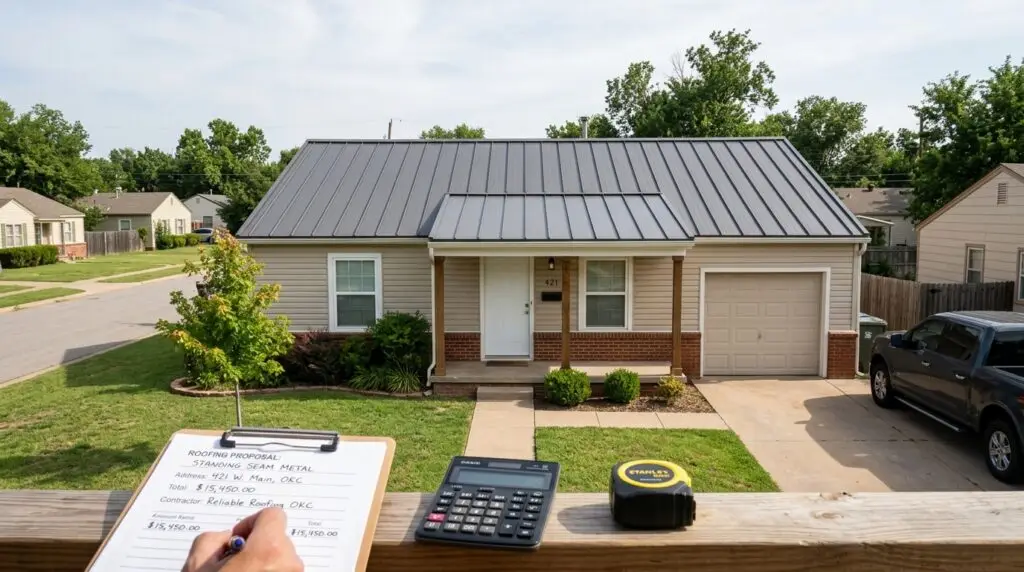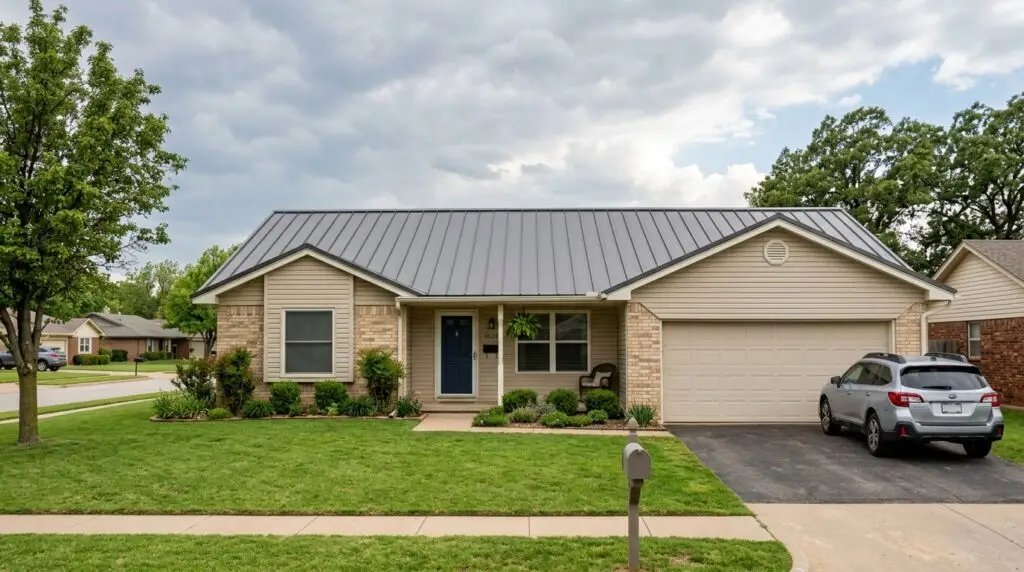
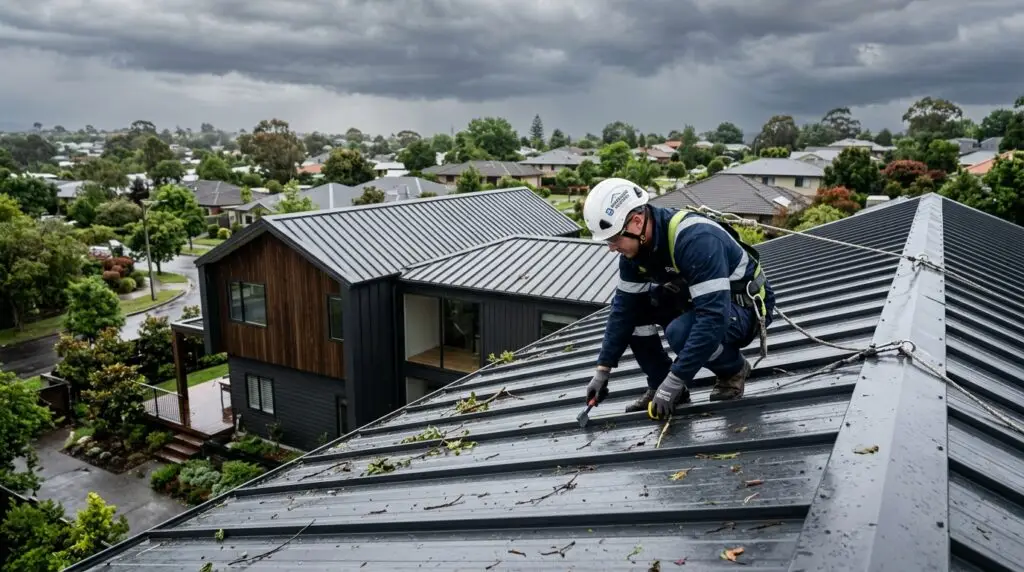
The storm has passed. The wind has died down, the hail has stopped bouncing off your driveway, and now you’re standing outside wondering how bad it actually is. Sound familiar? If you’re an Oklahoma City homeowner, this scenario isn’t just possible it’s practically an annual ritual.
Here’s the thing: what you do in the next 24 to 72 hours matters more than most people realize. A post-storm roof inspection isn’t just a formality. It’s the difference between catching a developing problem early and discovering a full-blown structural issue six months down the road when your insurance window has already closed.
This guide walks you through exactly what to expect from a professional roof inspection after a storm in the OKC metro and if you have a metal roof, there’s important information here that most generic roofing articles completely miss.
Why Oklahoma City Homeowners Can’t Afford to Wait After a Storm
Let’s be straightforward about something: Oklahoma is not an average storm environment. Central Oklahoma sits at the intersection of warm Gulf moisture and cold upper-level air masses the exact conditions that produce violent supercell thunderstorms. The spring severe weather season runs hard from April through June, and hailstones large enough to do serious roof damage show up with uncomfortable regularity across the OKC metro, Edmond, Moore, Norman, and Yukon.
In our experience inspecting roofs across central Oklahoma, the damage homeowners assume is cosmetic often isn’t. Wind-driven hail hits at steep angles in this region the physics of how Oklahoma storms move means hailstones aren’t just falling straight down. They’re coming at your roof. That changes the damage profile significantly compared to what you’d see in other parts of the country.
Roofing materials that carry 20- or 25-year ratings in milder climates often perform at reduced lifespans here. And when you combine that with the financial reality Oklahoma homeowners already pay among the highest property insurance premiums in the country getting an inspection right after a storm isn’t optional. It’s how you protect the investment you’re already paying to insure every month.
Quick rule of thumb: if hail dented vehicles or left divots in your yard, your roof almost certainly absorbed impact. Don’t wait to find out how much.
The First 24–72 Hours: What to Do Before the Inspector Arrives
Most homeowners make one of two mistakes after a storm: they either climb up on the roof themselves to take a look, or they do nothing at all and wait for a leak to appear. Both approaches create problems.
Stay Off the Roof Seriously
A storm-damaged roof can be structurally compromised in ways that aren’t visible from the surface. Add wet metal panels, debris, or broken decking to the equation, and you have a genuine fall hazard. You don’t need to climb anything. A slow walk around the perimeter of your home with a pair of binoculars gives you enough for an initial ground assessment.
What to look for from the ground: debris on the roof surface, displaced ridge caps, visible panel damage on metal roofing, missing or lifted shingles on asphalt systems, and damage to gutters or downspouts. Also check your lawn and driveway scattered roofing material is one of the clearest signs that something came loose up top.
Document Everything Before You Touch Anything
This step is critical for your insurance claim and it takes 10 minutes. Walk the property with your phone and take photos and video of everything you can see from every angle. Date-stamp your documentation automatically through your camera app. If hail fell and you can safely collect a frozen sample or measure a hailstone before it melts, do it.
Check with neighbors too. Damage from Oklahoma storms tends to follow geographic patterns if the house two doors down has shingles scattered across their yard, yours likely has a story to tell as well.
Temporary Mitigation: Buying Time Until Help Arrives
If you have an active leak, your job shifts to damage control. Get buckets under any interior drips immediately. If a section of ceiling is bulging, that’s water pooling in the drywall carefully puncture the center with a small nail to drain it in a controlled way. This prevents a collapse under weight.
A waterproof tarp can cover an exposed area temporarily if you can safely reach it from a ladder at the eave not by walking across the roof. Move valuables, electronics, and furniture away from any active leak source.
Finally, check your attic. Water stains on rafters, soft or discolored insulation, and visible light penetration through the decking are all signs that help narrow the inspection focus when the contractor arrives.
What a Professional Metal Roof Inspection Actually Covers
A professional post-storm inspection is not a 10-minute look around. For a metal roofing system, it should be systematic, thorough, and documented. Here’s what a qualified inspector works through:
Panel Surface Condition and Coating Integrity
Metal roofing panels don’t crack and don’t lose granules the way asphalt shingles do. What inspectors look for instead is denting from hail impact and, more importantly, whether that impact has damaged the protective coating on the panel surface. A coating breach that goes unaddressed leads to oxidation and eventual rust damage that develops over months, not days.
In most OKC hail events, metal roofing sustains cosmetic denting rather than structural failure. The roof continues to keep water out. That’s one of the key performance advantages of metal in an Oklahoma storm environment. But when hailstones exceed roughly 2.5 inches in diameter and the OKC metro has recorded stones well above that the calculus changes for any roofing material.
Fastener and Seam Inspection
This is where metal roof inspections diverge significantly from asphalt shingle assessments. On exposed fastener systems, inspectors check for fastener back-out screws that have worked loose from wind uplift and compromised washers that allow water infiltration. On standing seam systems, seam integrity and clip condition are the primary focus.
Wind uplift at panel edges is a common finding after Oklahoma straight-line wind events. Winds in the 60 to 80 mph range which are not unusual in severe OKC thunderstorms can lift panel edges just enough to break seals without visibly displacing the panel.
Flashing at Every Penetration Point
In our experience doing post-storm inspections, flashing failures cause more callbacks than any other single issue. The metal strips that seal around chimneys, plumbing vents, skylights, and valleys take a direct beating during hail storms and are almost never visible from the ground.
Valley areas the V-shaped channels where two roof slopes meet concentrate both hail impact and storm runoff. They need close attention after any significant weather event.
Ridge Cap, Hip Trim, and Drip Edge
Ridge caps are one of the first components to show wind damage. Oklahoma straight-line winds routinely shift or separate ridge cap sections, creating entry points for wind-driven rain even when the main panel surface looks intact. Drip edge condition affects how water transitions off the roof at the eave a detail that matters a lot for homes in the OKC metro that experience repeated heavy rain events.
Gutter and Drainage System
On a metal roof, there’s no granule accumulation to check for in the gutters. But inspectors still assess denting and separation from the fascia, overflow evidence, and whether downspouts are directing water away from the foundation. A damaged or clogged gutter system can back water up under panel edges a common and preventable cause of leaks.
Attic and Interior Inspection
The inspection doesn’t stop at the roof surface. A thorough assessment includes the attic looking at rafter and decking condition, insulation moisture, and any evidence of water infiltration. What looks like a solid roof from outside can be concealing active moisture damage inside.
Metal vs. Asphalt: How Storm Damage Looks Different and Why It Matters for Your Claim
Most homeowners research storm damage on generic roofing sites that treat all materials the same. If you have a metal roof, that approach will cost you either in overlooked damage or in an undervalued insurance claim.
What Hail Actually Does to a Metal Roof
Hail impact on metal roofing creates dents. That’s the visible story. The less obvious story involves the protective coating system whether it’s Kynar, polyester, or another finish and whether impact has compromised it at a microscopic level that won’t be apparent until months later.
Here’s something important that even many insurance adjusters miss: damage to a metal roof that is purely cosmetic denting without coating breach, without seam failure, without underlayment compromise is handled differently under most policies than functional damage that affects the roof’s ability to keep water out. Understanding this distinction before your adjuster arrives matters.
The Insurance Claim Complexity Around Metal Roofing
Oklahoma homeowners with metal roofs sometimes find that insurance adjusters trained primarily on asphalt shingle damage don’t fully account for what hail impact means for a metal panel system. The functional damage standard versus the cosmetic damage debate plays out regularly in OKC after major hail events.
Having a contractor who specializes in metal roofing present during the adjuster’s visit someone who can speak specifically to coating integrity, seam condition, and the manufacturer’s standards for what constitutes functional impairment can make a meaningful difference in claim outcomes.
Key point: Class 4 impact-resistant metal roofing may qualify for insurance premium discounts in Oklahoma. If you’re considering a metal roof, ask your insurer about this before installation not after a storm.
The Hidden Damage Oklahoma Inspectors Find That Homeowners Miss
Most homeowners don’t realize how much storm damage is invisible from the ground. Here are the issues that come up repeatedly in post-storm inspections across the OKC metro:
- Wind-lifted seam seals that lay back down perfectly flat the panel looks fine, but the broken seal is now an active pathway for wind-driven rain
- Pipe boot and vent collar deterioration accelerated by direct hail impact these rubber components fail faster once they’ve been struck
- Valley concentration damage where two slopes meet, hail impact compounds and debris accumulates; often the first place active leaks develop
- Underlayment compromise that only reveals itself during attic inspection the surface looks whole, but moisture has reached the secondary layer
- Flashing separation at chimneys and skylights almost always invisible from the ground, almost always the cause of the leak homeowners notice weeks later
Between you and me: these are exactly the items that a rushed or under-qualified inspector misses. When reviewing an inspection report, look for documentation of all penetration points, valley areas, and seam condition not just a general assessment of the panel surface.
How Long Does a Post-Storm Inspection Take and What Does It Cost?
Typical Timeframes
A thorough professional inspection of a residential metal roof in the OKC metro typically runs 45 to 90 minutes for a standard single-story or two-story home. Steeper pitches, larger roof areas, and complex storm events that require detailed documentation extend that timeframe. Anything significantly shorter than 45 minutes on a multi-facet roof should prompt questions about what was actually covered.
Free Inspections: What’s Actually Included
Reputable Oklahoma City roofing contractors offer free post-storm inspections, and that’s the standard you should expect. The free inspection market exists because contractors understand that storm events create legitimate work they don’t need to charge for the assessment.
What distinguishes a professional inspection from a sales visit is the deliverable. Ask for a written report with photographs, marked damage locations, and a clear repair versus replacement recommendation with reasoning. A contractor who resists providing documentation is a contractor worth reconsidering.
What a Written Report Should Contain
At minimum, a post-storm inspection report for a metal roofing system should document: panel surface condition with photos of any denting or coating damage, seam and fastener status, condition of all flashing at penetration points, gutter and drainage assessment, attic inspection findings, and a clear repair scope or replacement recommendation. This report is your primary tool for the insurance claim process.
Navigating the Insurance Claim Process After Storm Damage in Oklahoma
Most Oklahoma City homeowners do this backwards. They call their insurance company first, then try to figure out what happened to their roof. Here’s the sequence that actually protects you:
Step 1: Document and Inspect Before You Call Your Insurer
Get your own documentation first photos, ground-level observations, dated records. Then get a professional roof inspection and a written damage assessment from a licensed contractor. Armed with that report, your conversation with your insurance company starts from a position of information rather than uncertainty.
Step 2: Have Your Contractor Present During the Adjuster Visit
After major OKC storm events, insurance adjusters are working compressed schedules across dozens of properties. They can miss things not necessarily out of bad faith, but because of time pressure and workload. Your contractor, who has already spent 90 minutes on your specific roof, is the most qualified person to ensure the adjuster’s assessment reflects actual conditions.
You have the right to have your contractor present. Use it. Adjusters who resist this should be a yellow flag.
Oklahoma-Specific Claim Considerations
Oklahoma homeowners generally have a one-year window to file a storm damage claim from the date of the event but documentation becomes harder to establish the longer you wait. Most policies cover sudden storm damage but may deny claims characterized as long-term neglect. Getting on record quickly with a professional inspection report is your best protection against that distinction being used against you.
One thing most insurance companies won’t proactively mention: if your roof needs to meet current building code requirements as part of a repair or replacement, your policy may include code upgrade coverage. Ask specifically about this. It’s not unusual, and it’s rarely volunteered.
Storm Chaser Warning: Know Who You’re Dealing With
After every significant OKC storm event, out-of-town contractors show up going door-to-door. Some are legitimate. Many are not. Red flags include: pressure to sign an assignment of benefits before inspection, no verifiable Oklahoma contractor license, no local office address, and reluctance to provide a written scope of work before any contract signature.
A local contractor with verifiable history in the OKC metro, a physical address, and a warranty they can actually stand behind is worth the extra verification step.
Common Mistakes Oklahoma City Homeowners Make After a Storm
Waiting Too Long
It depends on the severity, but even after what looks like a minor hail event, waiting weeks to get an inspection creates real problems. Small hail that causes coating damage or breaks a seam seal doesn’t announce itself with an immediate leak but it starts a clock. And if another storm hits before you’ve documented the first event, separating the damage becomes complicated in ways that can hurt your insurance claim.
Making Repairs Before Documentation
This is one of the most costly mistakes we see. A homeowner notices a loose ridge cap piece and fixes it understandable instinct. But an adjuster looking at that repair later has no way to confirm what the original condition was. Always document fully before any work touches the roof, even temporary fixes.
Assuming No Leak Means No Damage
Metal roofing is excellent at keeping water out even when damaged. That performance advantage can work against you after a storm because the roof that’s not leaking might still have coating compromise, broken seam seals, or flashing damage that’s developing slowly. The absence of an active leak is not a clean bill of health.
DIY Inspections on Metal Roofing
Most homeowners are not equipped to assess seam integrity, coating condition, or fastener status on a metal roofing system. These aren’t obvious visual cues they require knowing what to look for and where. The cost of a professional inspection is nothing compared to the cost of a missed issue that develops into a structural problem.
After the Inspection: Repair, Restoration, or Full Metal Roof Replacement?
The inspection is done, the report is in hand. Now what? It depends on several factors and a good contractor will walk you through the decision framework honestly rather than defaulting to the most expensive option.
When Repair Makes Sense
Isolated damage a few compromised seams, flashing that needs resetting, a section of ridge cap that’s shifted is typically repairable without touching the main panel system. Metal roofing is modular in ways that asphalt isn’t. Individual panels can be replaced without disturbing the surrounding area.
When Restoration Is the Middle Path
If the panel surface shows widespread coating damage but the structural system underneath is sound, restoration recoating the entire roof surface can extend service life significantly. This is an option that doesn’t exist with asphalt shingles and represents real cost savings in the right situation. It also allows homeowners to avoid a full replacement that may or may not be necessary.
When Full Replacement Is the Right Call
Replacement becomes necessary when structural damage is present compromised decking, widespread seam failure, or a panel system that has aged to the point where repair costs approach replacement value. A contractor who recommends replacement should provide a written scope that explains specifically why repair or restoration isn’t appropriate.
Timeline Expectations in OKC After a Major Event
After significant OKC storms, contractor demand surges. Expect scheduling backlogs of weeks to months following major events. Prioritize getting on a reputable contractor’s schedule early pressure tactics from contractors claiming they can start immediately should be a caution signal, not an incentive.
Protecting Your Metal Roof Between Oklahoma Storm Seasons
The best post-storm inspection is the one that isn’t your first. Homeowners who maintain dated inspection records with photos and written findings are in a fundamentally stronger position when an insurance claim is needed.
Two Inspection Points Every OKC Homeowner Should Schedule
Schedule a professional inspection twice a year: once in late February or March before the severe weather season opens, and once in late October after the main season winds down. These don’t need to be extensive but they should be documented. An inspector spending an hour on your roof before storm season can identify developing issues at their most repairable point.
Maintenance Checklist Specific to Metal Roofing
Metal roof maintenance focuses differently than asphalt. Your checklist should include: sealant condition at all penetration points (these degrade faster than the panels themselves), fastener inspection for back-out or washer deterioration, seam condition check especially at eave and rake edges, and a coating integrity assessment every several years depending on finish type. Granule loss, shingle curling, and UV surface degradation simply aren’t concerns your attention goes to the mechanical connections and sealing points.
Why a Dated Documentation File Is Worth Keeping
Every inspection report, photo set, and repair invoice creates a chain of evidence that strengthens future insurance claims. An adjuster looking at a roof with no documented history has to make assumptions. An adjuster looking at three years of professional inspection reports knows exactly what the pre-storm baseline looked like. Build that file. It costs nothing and can be worth thousands.
Learn more about our Metal Roof Installation services and Storm Damage Repair options across the Oklahoma City metro, including Edmond, Moore, Norman, Yukon, and Mustang.
Frequently Asked Questions About Roof Inspections After a Storm in Oklahoma City
How soon should I get a roof inspection after a storm in Oklahoma City?
Get a professional inspection within 24 to 72 hours of any significant storm event if possible. The sooner damage is documented, the stronger your insurance claim foundation. After major OKC storm events, contractor availability tightens quickly call the same day the weather clears.
Does a metal roof need to be inspected after hail?
Yes. Metal roofing performs better than asphalt under hail impact, but it is not immune to damage. Coating integrity, seam seals, flashing, and fasteners all need assessment after any significant hail event. Many metal roof failures trace back to hail damage that was never properly evaluated.
How do I know if my roof has hidden storm damage?
The most reliable answer is: you often won’t know without a professional inspection. Hidden damage on metal roofing includes coating compromise, broken seam seals that lay flat, and flashing separation none of which produce immediate leaks but all of which develop into costly problems. If hail or high winds hit your area, schedule an inspection regardless of visible symptoms.
Will my homeowner’s insurance cover metal roof hail damage in Oklahoma?
Most Oklahoma homeowner’s policies cover sudden storm damage, including hail impact on metal roofing. Coverage depends on your specific policy terms, your deductible, and whether the damage meets the functional impairment standard versus a cosmetic-only threshold. Have a qualified metal roofing contractor review the damage before and during the adjuster visit.
How much does a professional roof inspection cost after a storm in OKC?
Reputable Oklahoma City roofing contractors offer free post-storm inspections with no obligation. You should not pay for a basic storm damage assessment. What you should expect in return is a written report with photographs, not just a verbal summary.
What’s the difference between a free roof inspection and a paid one?
In the post-storm context, the distinction is rarely about quality and more about scope. A free inspection focused on storm damage should still deliver a written report and documentation. A paid inspection might include thermal imaging, structural analysis, or moisture mapping for more complex situations. Ask upfront what the deliverable looks like.
Can I file an insurance claim for roof damage years after a storm?
No. Oklahoma homeowners generally have a one-year window from the date of a storm event to file a related insurance claim. Waiting longer typically results in denial. This is one of the primary reasons getting an inspection promptly and keeping documentation matters so much in an active storm state like Oklahoma.
Ready to Schedule Your Post-Storm Roof Inspection?
If a storm has moved through the Oklahoma City area recently, don’t wait for a leak to tell you what the damage looks like. Our team serves the OKC metro including Edmond, Moore, Norman, Yukon, and Mustang with professional metal roof inspections, detailed documentation, and honest assessments. Contact us to schedule your free inspection.