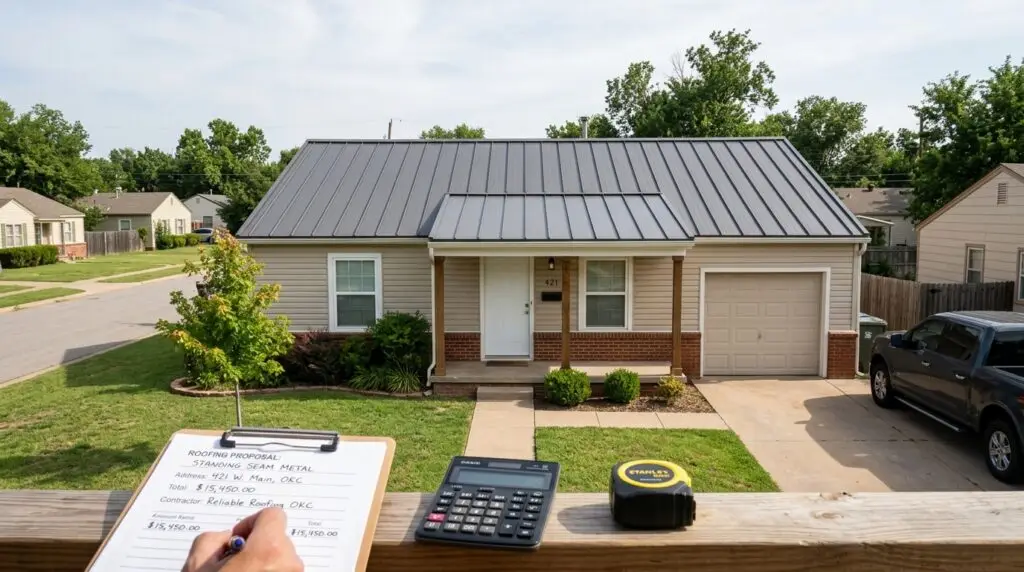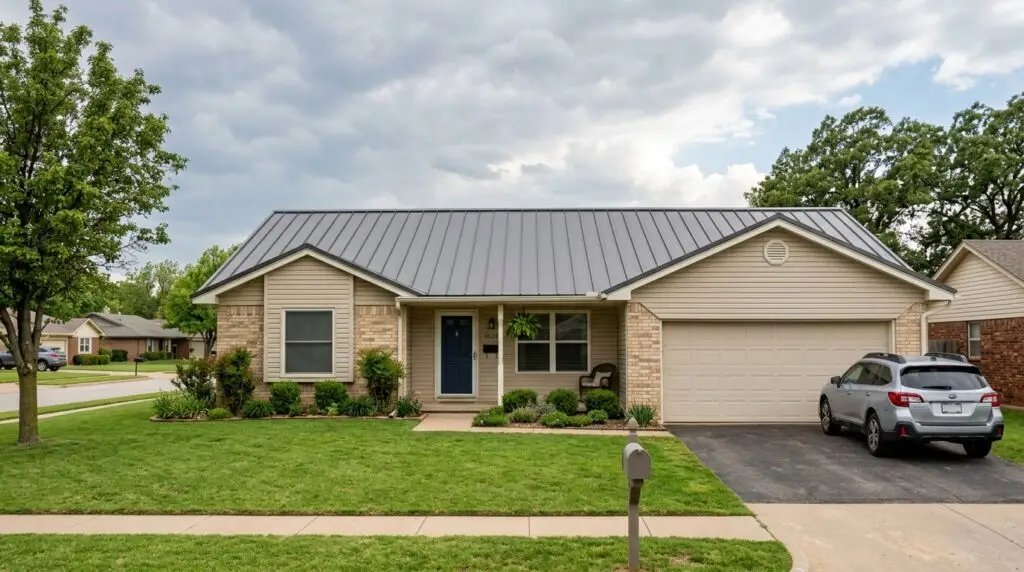
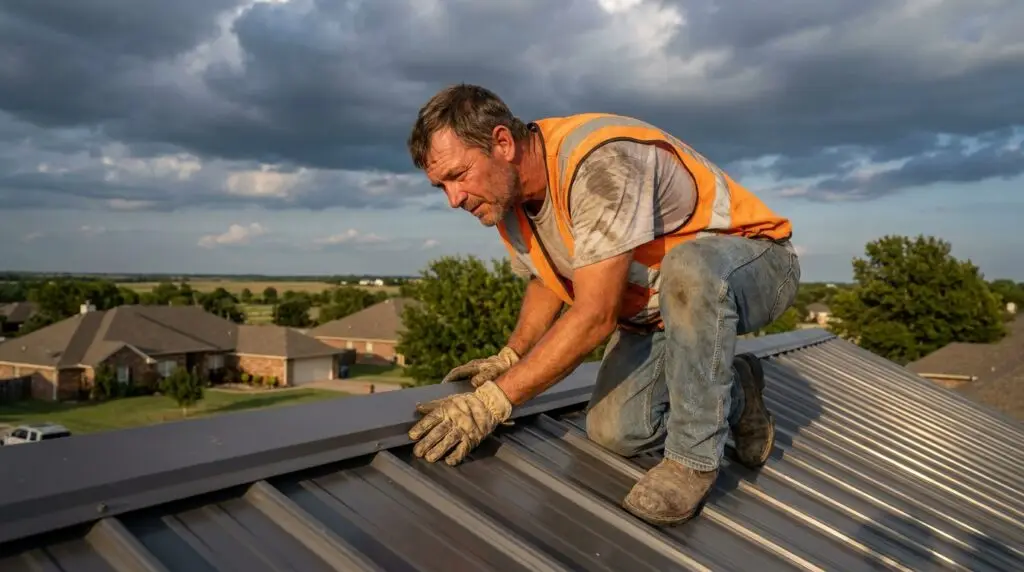
If you’ve never had a professional roof inspection, you might picture someone walking around up top, glancing at a few shingles, and handing you a report that says everything’s fine. Sometimes that’s all it is and that’s a problem.
A thorough roof inspection is something else entirely. Done correctly, it’s a systematic, evidence-based evaluation of every component in your roofing system, from the ridge cap down to the attic floor. And in Oklahoma City, where the weather has a way of humbling even the most durable roofs, a proper inspection isn’t a luxury. It’s one of the smartest things you can do as a homeowner.
Central Oklahoma sits right in the path of some of the most severe storm activity in North America. Warm Gulf air collides with cold upper-level systems across the OKC metro Edmond, Moore, Norman, Yukon, Mustang producing the kind of violent supercell thunderstorms that push hailstones at steep, punishing angles. Most homeowners don’t realize the difference between hail that falls straight down and hail driven sideways at 60 mph. The damage profiles are completely different, and so is the inspection process required to find that damage.
This guide walks you through exactly what happens during a roof inspection, what’s different about inspecting a metal roofing system, and what Oklahoma City homeowners specifically need to know before, during, and after the process.
Why Oklahoma City Homeowners Can’t Afford to Skip Roof Inspections
Here’s the thing most roofing problems don’t announce themselves. A small seam separation on a metal panel. A fastener that’s backed out a quarter inch. Flashing that lifted slightly after a wind event. None of these look like emergencies. All of them can turn into one.
Oklahoma City averages one to two significant hailstorms per year, and the spring severe weather season from April through June hits the region hard on a regular basis. The surrounding metro Edmond to the north, Moore and Norman to the south, Yukon and Mustang to the west sits squarely in the geographic corridor where storm damage concentrates.
What Oklahoma’s Storm Environment Does to Roofing Systems
Oklahoma storms don’t just drop hail. They drive it. Central Oklahoma’s unique geography creates powerful updrafts that send hailstones flying at steep angles which means the south and west faces of your roof absorb significantly more impact than the north and east. If you only look at your roof from the ground, directly below, you’ll miss a lot of what matters.
Wind-driven hail also means that standard inspection checklists designed for Midwestern flat-falling hail events can miss damage that’s concentrated on specific roof planes. In our experience inspecting metal roofs across the OKC metro, the damage homeowners assume is cosmetic often isn’t and the damage they never thought to check for is frequently the most serious.
Metal Roofing Changes the Risk Profile
Metal roofing systems outperform asphalt shingles in Oklahoma’s storm environment by a wide margin. They hold up better under hail impact, resist wind uplift more effectively, and don’t absorb moisture the way organic materials do. But metal roofs are not maintenance-free, and they’re not immune to storm damage. Panel seams can separate. Concealed fasteners shift over time. Coating scratches left unaddressed can develop into rust creep. A metal roof that’s never been inspected is a roof with unknowns and in Oklahoma City, unknowns tend to surface at the worst possible time.
The 6 Stages of a Professional Metal Roof Inspection
A professional roof inspection isn’t a single walkabout. It’s a structured, sequential process and skipping any stage means leaving questions unanswered. Here’s what a complete inspection covers:
Stage 1: Ground-Level Visual Assessment
Every quality inspection starts before the inspector climbs anything. A slow walk around the full perimeter of your home with binoculars reveals things the naked eye misses from a distance: displaced ridge caps, obvious panel damage, gutter dents from hail impact, and downspout condition. This is also where the inspector begins building an initial theory about what the storm did and which roof faces took the most exposure.
Quick rule of thumb most homeowners find useful: if a hailstorm left divots in your yard or dents on your vehicle, your roof absorbed impact. The question is how much, and where.
Stage 2: Exterior Roof Surface Inspection
This is the most detailed phase. The inspector physically accesses the roof and evaluates every component up close. On a metal roofing system, this means:
- Panel surface condition scratches through the coating, dents, punctures, or areas where impact compromised the paint layer that protects against corrosion
- Seam integrity whether standing seam locks are fully engaged, whether lap seams on exposed-fastener panels are tight, and whether any seam separation has allowed moisture intrusion
- Fastener condition backing out, over-driven, or missing fasteners create entry points for water and reduce the panel’s wind uplift resistance
- Ridge cap and hip cap these elevated transition points take direct hits in hail events and are common failure locations
- Eave and rake edge panels at the perimeter edges are most vulnerable to wind uplift; the inspector checks for lifted or creased edges
Stage 3: Penetration and Transition Point Inspection
Penetrations are where metal roofing systems earn or lose their reputation. Pipe boots, vent stacks, skylight frames, HVAC curbs, and chimney flashings every point where something passes through the roof panel is a potential leak origin.
Oklahoma City’s thermal environment makes this especially important. The region experiences significant temperature swings summer heat that expands metal panels substantially, and winter cold that contracts them. Over time, that thermal movement stresses the sealants and flexible flashings at every penetration point. A quality inspection evaluates each of these locations individually, not as a group.
Stage 4: Gutter and Drainage System Review
Gutters are more than drainage infrastructure. On an OKC hail claim, gutter dents serve as critical evidence. They’re one of the most reliable indicators that a hailstorm delivered enough energy to cause functional damage and insurance adjusters know it. An inspector who skips the gutters is leaving documentation on the table.
Beyond insurance value, the drainage review checks gutter alignment, downspout condition, and whether water is properly directed away from the foundation. Improperly draining gutters are a slow-motion foundation problem in Oklahoma’s clay-heavy soil.
Stage 5: Attic and Interior Inspection
Most homeowners don’t expect an inspector to go into the attic. The ones who know their business always do. The attic tells the story that the roof surface sometimes can’t especially with metal roofing systems where panel-level damage can be subtle while the moisture intrusion below is already progressing.
The inspector looks for:
- Water staining on decking or rafters dark rings or discoloration that indicate past or active moisture intrusion
- Soft spots or delamination in the roof deck structural compromise that must be addressed before any panel work
- Mold or mildew presence a sign that moisture has been present long enough to create a biological problem
- Ventilation balance in Oklahoma’s climate, inadequate attic ventilation accelerates roofing system degradation significantly; heat buildup under metal panels in summer can be extreme without proper airflow
- Insulation condition compressed, wet, or displaced insulation indicates previous moisture events
Stage 6: Structural Integrity Check
The final stage looks at the roof as a system rather than a collection of parts. Is the roof plane flat and even, or are there visible sags? Are the rafters and trusses sound? Are there areas where the decking has soft spots that indicate structural compromise?
This matters especially when a homeowner is considering a metal re-roof. Installing a new metal panel system over a compromised deck is a mistake that shows up in warranty claims and premature failures. A thorough inspector will flag structural concerns before any proposal is made.
How a Metal Roof Inspection Differs From a Standard Shingle Inspection
Most roofing inspection guides are written with asphalt shingles in mind. That’s understandable shingles dominate the residential market. But if you have a metal roofing system, or you’re considering one, the inspection protocols are meaningfully different.
The Cosmetic vs. Functional Damage Distinction
This is one of the most important concepts in metal roof assessment, and it’s one that most generic inspection guides completely miss. Not every dent on a metal panel represents functional damage. A small, shallow dent from hail impact may be cosmetically visible but may not compromise the panel’s ability to shed water, resist further weather, or maintain warranty compliance.
The threshold for functional damage depends on panel type, coating system, dent depth and diameter, and whether the impact opened the coating layer to bare metal. An experienced metal roofing inspector knows the difference. An inspector who only knows asphalt systems may either miss real damage or flag cosmetic issues as more serious than they are both outcomes cause problems for homeowners.
Panel System Type Matters
Standing seam systems, exposed-fastener panels, and corrugated metal all have different vulnerability profiles and require different inspection techniques. Standing seam panels are evaluated at the seam locks and at the clips that allow thermal movement. Exposed-fastener systems require detailed review of every fastener and its neoprene washer seal. Corrugated panels show damage differently than ribbed profiles.
Between you and me hiring an inspector who has never worked extensively with metal roofing to inspect a metal roof is a common mistake in the OKC market. The inspection may look thorough on paper but miss system-specific vulnerabilities that a specialist would catch immediately.
Thermal Movement and Sealant Assessment
Metal expands and contracts more than asphalt with temperature changes. Oklahoma City’s climate amplifies this the temperature differential between a July afternoon and a January night is substantial. That thermal cycling stresses sealant tape, butyl lap tape, and flexible flashing over time. A complete metal roof inspection includes evaluation of these materials for cracking, separation, or loss of adhesion.
What Happens After an OKC Hailstorm The Post-Storm Inspection Protocol
Post-storm inspections in Oklahoma City follow a different rhythm than routine annual checks. Timing is critical, the documentation requirements are more demanding, and the stakes are higher. Here’s what that process looks like.
The 24 to 72 Hour Window That Protects Your Insurance Claim
Oklahoma homeowner insurance policies have filing deadlines. Waiting too long after a storm to document and report damage can close that window and once it’s closed, recovering costs for legitimate storm damage becomes significantly harder.
What you can do immediately and safely, without climbing anything:
- Document everything from the ground: photos and video of every side of your home, date-stamped through your camera app
- Check soft-metal surfaces as corroborating evidence: AC condenser fins, vents, gutters, and downspouts. Dents here confirm hail energy.
- If hailstones are still visible, measure one or photograph it next to a coin or ruler before it melts
- Talk to neighbors storm damage follows geographic patterns, and their experience informs yours
If you have an active interior leak, get buckets positioned under any drips. If ceiling drywall is bulging from water accumulation, carefully puncture the center with a small nail to drain it in a controlled way a bulging ceiling can collapse under the weight. Do not walk the roof in wet conditions.
What a Storm-Specific Inspection Includes Beyond Routine Assessment
A post-storm inspection goes beyond the standard six-stage process. The inspector should also:
- Assess directionality which direction the storm traveled determines which roof planes absorbed the most impact, and inspectors who understand Oklahoma storm patterns factor this in
- Distinguish wind damage from hail damage creased or lifted panels indicate wind uplift; circular denting patterns indicate hail impact; both can exist on the same roof
- Build an adjuster-ready documentation package photos with annotations, written findings with damage descriptions, and a clear report that meets insurance carrier documentation standards
This documentation package is what separates a professional inspection from a contractor visit. Get it in writing, with photos, before any insurance contact.
How to Read Your Roof Inspection Report
The inspection is only half the process. The report is where you make decisions and understanding what you’re reading matters.
A quality inspection report includes photos tied to specific findings, a description of each issue, and a recommended action level. Look for these priority categories:
- Immediate action required conditions that present active leak risk, structural compromise, or safety concerns
- Repair within 12 months damage that is progressing but not yet critical; addressing it prevents escalation
- Monitor at next inspection conditions that are worth watching but don’t require action now
Most homeowners don’t realize they can ask for clarification on anything in the report. A reputable inspector will walk you through every photo and explain what you’re looking at. If an inspector resists explaining their findings, that’s a red flag worth taking seriously.
Also watch for vague language: ‘some wear present’ or ‘minor damage noted’ without photos or specific locations tells you very little. Reports should be specific panel locations, measurements where relevant, and clear action guidance.
What Does a Roof Inspection Cost in Oklahoma City?
It depends on several factors roof size, complexity, inspection type, and the contractor’s business model. Here’s a practical breakdown:
Free Inspections When They’re Legitimate
Many reputable Oklahoma City roofing contractors offer free inspections, particularly following storm events. This is a legitimate business model: the contractor provides the inspection at no cost in exchange for the opportunity to bid on any identified work. Free doesn’t mean low quality a contractor whose livelihood depends on accurate damage assessment has strong motivation to get it right.
Where to be cautious: a ‘free inspection’ that results in a same-day replacement pressure sell, without a written report and photos, isn’t really an inspection. It’s a sales call.
Paid Independent Inspections
For pre-purchase home assessments, insurance disputes, or situations where you want an unbiased second opinion, paid inspections by independent certified inspectors are available. These typically range from a moderate flat fee to a higher cost for larger or more complex roofing systems. The value is independence the inspector has no financial stake in the outcome.
Context that matters: the cost of missing significant storm damage on a metal roofing system failed seams, compromised fasteners, coating damage that leads to rust will typically be many times the cost of any inspection fee. Inspections are cheap compared to the problems they prevent.
How Often Should Oklahoma City Homeowners Schedule a Roof Inspection?
The minimum baseline for any roofing system is once per year ideally in early spring before severe weather season begins, or in fall before winter temperature drops accelerate any existing vulnerabilities.
Beyond the annual baseline, schedule an inspection after:
- Any significant storm event in your area if hail fell and damaged vehicles or left visible marks in soft landscaping, your roof should be evaluated within 72 hours if possible
- Your metal roof passes the 7 to 10 year mark fastener seals and sealant tape reach the end of their effective service life in this window and benefit from a dedicated review
- Before listing your home for sale a clean inspection report increases buyer confidence and removes one of the most common negotiating points in real estate transactions
- After any significant nearby tree work or large debris event
Oklahoma City homeowners who maintain annual inspection records also tend to have smoother insurance claim processes. Documentation of your roof’s condition over time demonstrates maintenance and makes it significantly harder for a carrier to attribute current storm damage to pre-existing neglect.
5 Signs Your Oklahoma City Roof Needs an Inspection Right Now
You don’t always need a storm to trigger an inspection. If any of the following apply to your situation, don’t wait for the annual calendar reminder:
- A hailstorm or high-wind event hit your neighborhood in the last 30 days even if you saw no obvious damage from the ground
- You’re finding granules in your gutters, or you noticed dents on your AC condenser unit or metal vents after a storm
- Interior water stains appeared on ceilings or walls following a rain event these are downstream symptoms; the origin point on the roof may be yards away
- Your metal roof is 7 or more years old and has never had a professional inspection fastener seals and flexible flashings have a finite service life
- You’re buying or selling a home in the OKC metro knowing the roof’s condition before negotiations begin protects you regardless of which side of the transaction you’re on
How to Choose the Right Roofing Inspector in Oklahoma City
Choosing an inspector matters as much as scheduling the inspection. In Oklahoma City’s active roofing market, particularly after major storm events, quality varies widely.
Credentials and Experience That Actually Matter
- Licensed and insured to operate in Oklahoma verify this; it’s a basic requirement that some post-storm contractors skip
- Demonstrated experience with metal roofing systems specifically not all roofers who inspect shingles have the expertise to properly evaluate standing seam panels, concealed fastener systems, or metal-specific failure modes
- Familiarity with Oklahoma insurance documentation requirements an inspector who has never worked through an OKC hail claim may produce a report that doesn’t meet adjuster standards
- Written report with photos as a standard deliverable this should be non-negotiable
Questions to Ask Before the Inspector Goes Up
Most homeowners don’t ask any questions before an inspection. The ones who get the best outcomes do. Here are four worth asking:
- What type of metal roofing systems have you inspected, and how recently?
- Will I receive a written report with annotated photos after the inspection?
- Do you meet with insurance adjusters if a claim is warranted?
- What specific signs of Oklahoma-style wind-driven hail damage do you look for on metal panels?
A contractor who can answer those questions clearly and specifically is one who has actually done this work. Vague or dismissive answers tell you something important.
Red Flags That Signal an Unreliable Inspection
- Replacement recommended without documented evidence or photos to support the finding
- No written report verbal-only inspections leave you with no documentation for insurance or future reference
- Pressure to sign a contract or make a decision the same day as the inspection
- Inspector who cannot explain specifically what they found or where on the roof they found it
Frequently Asked Questions
What exactly happens during a roof inspection?
A professional roof inspection covers six core areas: ground-level visual assessment, exterior roof surface evaluation, penetration and transition point review, gutter and drainage inspection, attic and interior check, and structural integrity assessment. For metal roofing systems in Oklahoma City, inspectors also evaluate panel seam integrity, fastener condition, coating damage, and storm-specific impact patterns caused by the region’s wind-driven hail.
How long does a roof inspection take?
Most residential roof inspections take between one and three hours, depending on roof size, complexity, and whether attic access is available. Post-storm inspections on metal roofing systems may take longer because of the documentation requirements for insurance purposes. If an inspector is done in under 30 minutes, ask what they skipped.
Is a roof inspection free in Oklahoma City?
Many Oklahoma City roofing contractors offer free inspections, particularly after storm events this is a legitimate and common business model. For pre-purchase assessments or independent evaluations not tied to a specific contractor, paid inspections are available and provide an unbiased report with no sales obligation attached.
Can hail damage a metal roof?
Yes. While metal roofs outperform asphalt shingles in hail resistance, significant hailstones can dent metal panels, damage protective coatings, displace fasteners, and compromise seams. In Oklahoma City, hailstones large enough to cause functional damage to metal panels occur with uncomfortable regularity. The key is understanding the difference between cosmetic denting and damage that actually compromises your roof’s performance which is a distinction that requires a metal roofing specialist to assess properly.
How soon after an OKC storm should I schedule a roof inspection?
Within 24 to 72 hours if possible. Oklahoma insurance policies have claim filing deadlines, and delayed documentation can compromise your coverage. Acting quickly also allows inspectors to document the freshest evidence of storm impact before subsequent weather events obscure the picture.
What’s the difference between a roof inspection and a roof estimate?
A roof inspection assesses the current condition of your roofing system and documents findings. A roof estimate uses those findings to price specific repairs or replacements. A credible contractor provides the inspection report first before presenting any cost options. If you’re handed a replacement quote before seeing an inspection report with photos, ask for the documentation first.
Do I need to be home during the roof inspection?
It’s strongly recommended. Being present allows you to ask questions, see findings firsthand, ensure attic access is available, and understand the written report when it’s delivered. Homeowners who attend their own inspections consistently make better-informed decisions about what to do next and they’re harder to oversell.
Get a Professional Metal Roof Inspection in Oklahoma City
If your roof hasn’t been inspected in the last 12 months or if a storm has moved through the OKC metro recently now is the time to schedule an evaluation. The goal isn’t to find problems. The goal is to understand exactly what condition your roof is in, so you can make informed decisions before a small issue becomes an expensive one.
We specialize in metal roofing inspections across Oklahoma City, Edmond, Moore, Norman, Yukon, and Mustang. Our inspection reports include photos, written findings, priority levels, and full insurance documentation support when needed. No pressure. No guesswork. Just honest answers about the condition of your roof.